

Skin Quality & Texture
Pigmentation, redness, dullness, rough texture or thinning.
Request a consultation
What may be
causing it
Most people put it more simply. Their skin isn't as smooth as it was, it looks dull or uneven, or it feels thinner than it used to. Some would just like it to look healthier. Each of those has a clinical name and a clinical cause, often more than one, and the cause is what decides which treatment will work.
i
Dullness and dehydration
i
Dullness and dehydration
Skin looks dull when its surface stops reflecting light evenly. The usual causes are dehydration, a build-up of dead skin cells as cell turnover slows with age, or a skin barrier that is no longer holding moisture well. Dullness often responds well to treatment, and for some people better hydration and the right skincare will make a visible difference on their own.
What might work: LaseMD, Skin Boosters, Facials.
ii
Redness
ii
Redness
Persistent redness, flushing or visible broken capillaries (thread veins), often across the cheeks and nose. Redness can be vascular, coming from small blood vessels close to the surface; it can be part of rosacea; or it can be a sign of an irritated, reactive skin barrier. These are different conditions and are not treated in the same way, so identifying which one you have is what makes an effective plan possible.
What might work: LaseMD.
iii
Pigmentation
iii
Pigmentation
Uneven skin tone, sun spots, age spots and patches of darker skin. Pigmentation can follow sun exposure, marks left behind by spots or inflammation (post-inflammatory hyperpigmentation), or hormonal change, as in melasma. The type matters: some pigmentation responds well to laser treatment, while melasma needs a more cautious plan, because the wrong treatment can make it darker.
What might work: LaseMD.
iv
Rough texture
iv
Rough texture
Skin that feels rough or looks uneven close up: enlarged pores, fine lines, an irregular surface or scarring from past acne. Texture reflects how well the skin is renewing its surface and how much collagen supports it from beneath.
What might work: Microneedling, LaseMD.
v
Thinning and collagen loss
v
Thinning and collagen loss
Skin that feels thinner, looks more lined or creases more easily than it did. From early adulthood, the skin produces a little less collagen and elastin each year, and for women this loss speeds up around menopause. Thinning is a change in the quality of the skin rather than a loss of volume, so the treatments that suit it are regenerative ones, which work by supporting the skin's own repair.
What might work: Polynucleotides, Biostimulators.
vi
Sun damage
vi
Sun damage
Years of ultraviolet exposure account for a large share of visible change in the skin. Pigmentation, rough texture, broken capillaries and thinning can all be signs of it, which is why they so often appear together. Daily sun protection is the most effective everyday step you can take to protect your skin and the results of any treatment you have.
What might work: LaseMD, Microneedling, Polynucleotides.
Treatments we may
recommend, and why
Each of these treatments works on skin quality in a different way and suits a different cause. What belongs in your plan depends on what your assessment finds, and a personalised treatment plan may combine more than one.
LaseMD
For pigmentation, dullness and rough texture
LaseMD is a non-ablative fractional laser that can improve uneven tone, sun-related pigmentation, dullness and rough texture at the same time, with low downtime. It works on the upper layers of the skin without removing the surface. Not every type of pigmentation is suited to it, and your practitioner will tell you whether yours is.
Polynucleotides
For thinning skin
Polynucleotides are a regenerative injectable treatment that supports skin quality and tissue repair over a series of treatments. They are not a volumising filler and will not change the shape of your face; what they will do is improve the quality of skin that has become thinner, gradually and with natural-looking results. Because they improve the skin itself rather than adding volume, many people now choose them instead of starting with filler.
Microneedling
For rough texture, and a sensible place to start
Microneedling uses very fine needles to create controlled micro-channels in the skin, prompting it to produce new collagen. It works on rough texture, enlarged pores and fine lines, and it is well established. If you would like to start small, and treatment is clinically indicated, it is a sensible first step.
Skin Boosters
For dehydrated skin
Skin boosters are injections that place microdroplets of hyaluronic acid, a substance the skin already contains, into the skin to improve hydration and smoothness. They use the same kind of ingredient as some fillers, but they work differently: they will not add volume, lift or change your features, and they are not a treatment for pigmentation, redness or thinning. Where dehydration is the main cause, a skin booster is an effective, natural-looking way to improve skin quality.
Other treatments your plan may include
Biostimulators
Where thinning comes with some loss of fullness, a collagen-stimulating injectable may be the better choice. Biostimulators prompt the skin to build its own collagen, gradually. About biostimulators
Facials
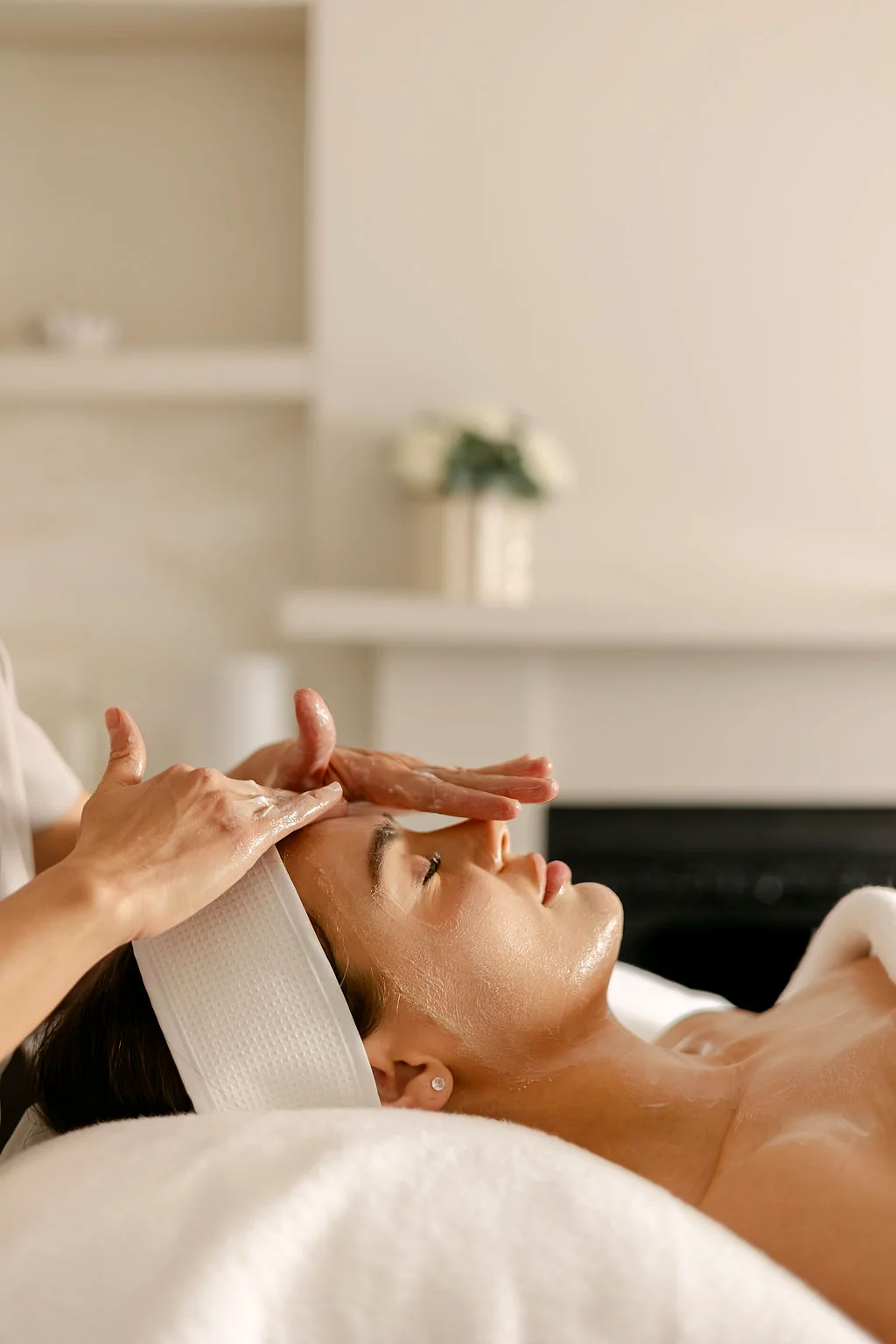
Our clinical facials, each pairing a peel or resurfacing step with LED light therapy, can help with dullness and support skin health alongside medical treatment. About facials
Questions about skin
quality and texture
What is the best treatment for pigmentation?
It depends on the type. Sun spots and uneven tone caused by sun exposure often respond well to LaseMD. Melasma, which is linked to hormonal change and sun exposure, needs a more cautious plan, because heat-based treatment can make it darker. Skin type matters too: some laser treatments carry a higher risk of pigmentation change in darker skin. Whatever the type, daily sun protection will make treatment more effective, and your practitioner will identify the type before recommending anything.
Can you treat redness or rosacea?
Redness has several possible causes, including broken capillaries, rosacea and an irritated skin barrier, and each needs a different approach. We will assess what is causing yours and tell you clearly whether treatment at ART Clinic will help, or whether another kind of care would serve you better.
I'd like to start small. Where do I begin?
With a consultation. Starting small suits skin well: begin with one treatment, and add to it once you've seen how your skin responds. Where treatment is clinically indicated, microneedling is a sensible first step, because it is well established and works on texture and overall skin quality. Any plan goes ahead at your pace.
Are skin quality injectables the same as filler?
No. Skin boosters use hyaluronic acid, the same kind of ingredient as some fillers, but it is placed as microdroplets to improve hydration and smoothness, and it will not add volume or change your features. Polynucleotides are different again: a regenerative treatment that supports skin quality and tissue repair. Both will improve the skin itself rather than change the shape of your face.
Will anyone be able to tell I've had treatment?
The aim is healthier-looking skin, not a visible treatment, and the change builds gradually. Some treatments cause temporary redness, so your practitioner will talk you through downtime before you go ahead, and you can plan around work and social commitments.
How many treatments will I need?
That depends on the cause, the treatment and how your skin responds, so we won't give you a number before we've assessed your skin. Many skin quality treatments work best as a course, and your practitioner will explain how many appointments your plan involves, and why.
Are these treatments suitable for men?
Yes. Sun damage, rough texture, enlarged pores and uneven tone are common in men's skin too, and the approach is the same: a doctor-led assessment of the cause, then treatment that will work for it, with realistic downtime and natural-looking results.
How much does treatment cost?
Fees depend on the treatment and on what your plan involves. Our pricing page explains how fees work at ART Clinic.
Doctor-led care
in Belgravia
Skin quality is the area where the wrong treatment does the most damage. Two very different causes can look the same in the mirror: melasma and sun-related pigmentation both appear as patches of darker skin, but heat-based treatment that helps one can make the other worse. Every plan here starts with a thorough assessment of the cause, so what you're offered follows that assessment rather than a menu.
ART Clinic has been built on the principles of careful examination and honest advice. Dr Priya Verma founded it that way, and it holds for every consultation carried out at our practice.
Meet Dr Priya & TeamOther places
to start
If what you've noticed is looseness, hollowing, tiredness or texture below the face, one of these concerns may be a better fit.
Tightening & Lifting
Skin laxity, loss of elasticity, noticeable sagging across face, neck and body.
View →The first step:
finding out what
is causing it
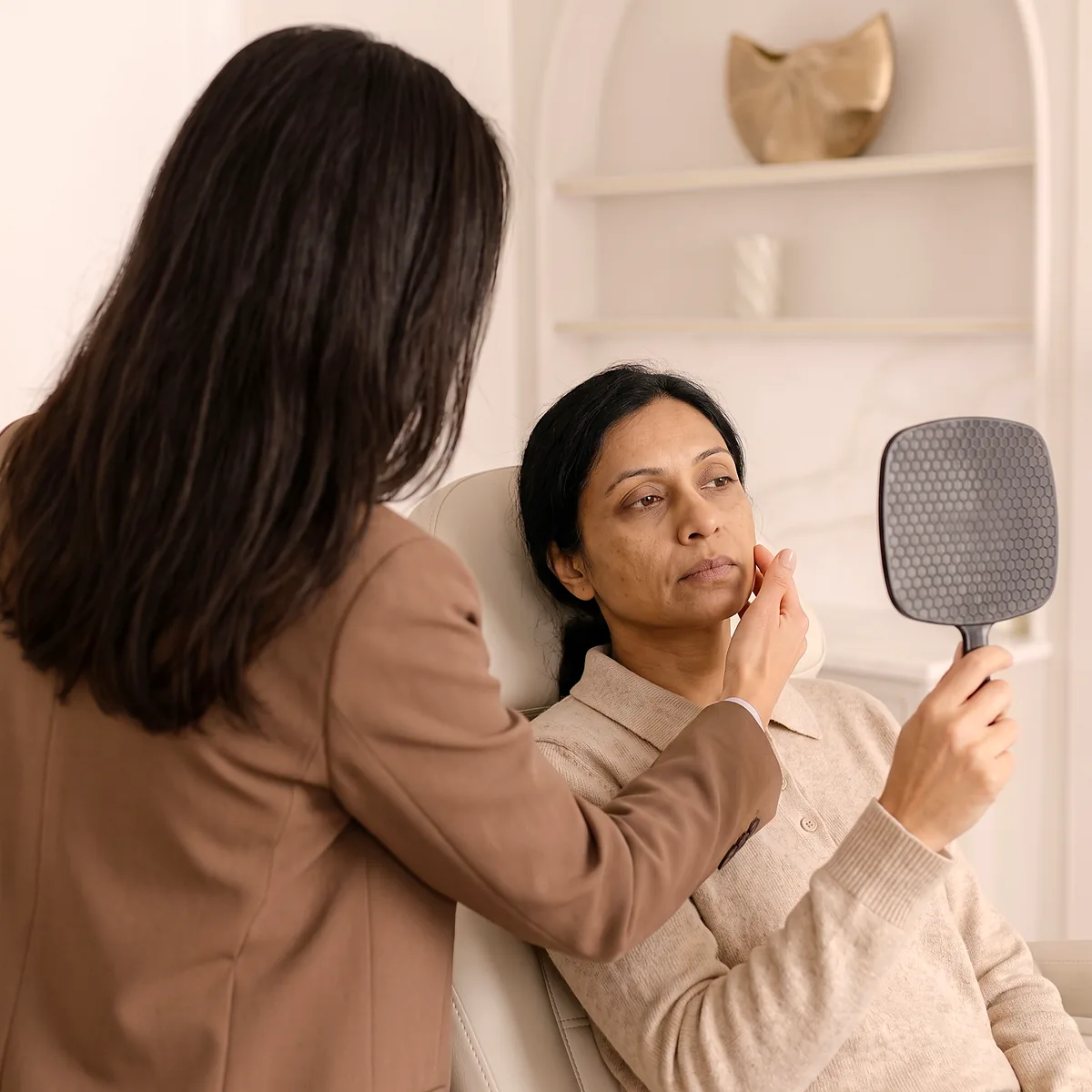
A comprehensive diagnostic consultation: a thorough assessment of your skin, leading to a truly bespoke treatment plan created by you and your practitioner. You don't need a treatment in mind. Tell us what you've noticed, and we will explain what is likely to be causing it, what will work, and whether treatment is needed at all. You won't be sold to, and you won't be pushed.
Request a consultation What happens at a consultation